





Why European Cars Struggle in Miami Heat (And the Service Schedule They Really Need)
Why European Cars Struggle in Miami Heat (And the Service Your BMW, Mercedes, Audi & Porsche Really Needs)
European cars are engineered to be exceptional—on cool Alpine passes and the Autobahn. Miami is a different world: 95°F heat, 90% humidity, salt air, and stop-and-go traffic put stress on these vehicles that their factory maintenance schedule simply doesn't account for. At DS Proformance, we specialize in European vehicles, and we see the same heat-driven failures over and over. The good news: nearly all of them are preventable with a Florida-specific service plan.
Why Miami Is So Hard on European Cars
Brittle Plastic Cooling Components
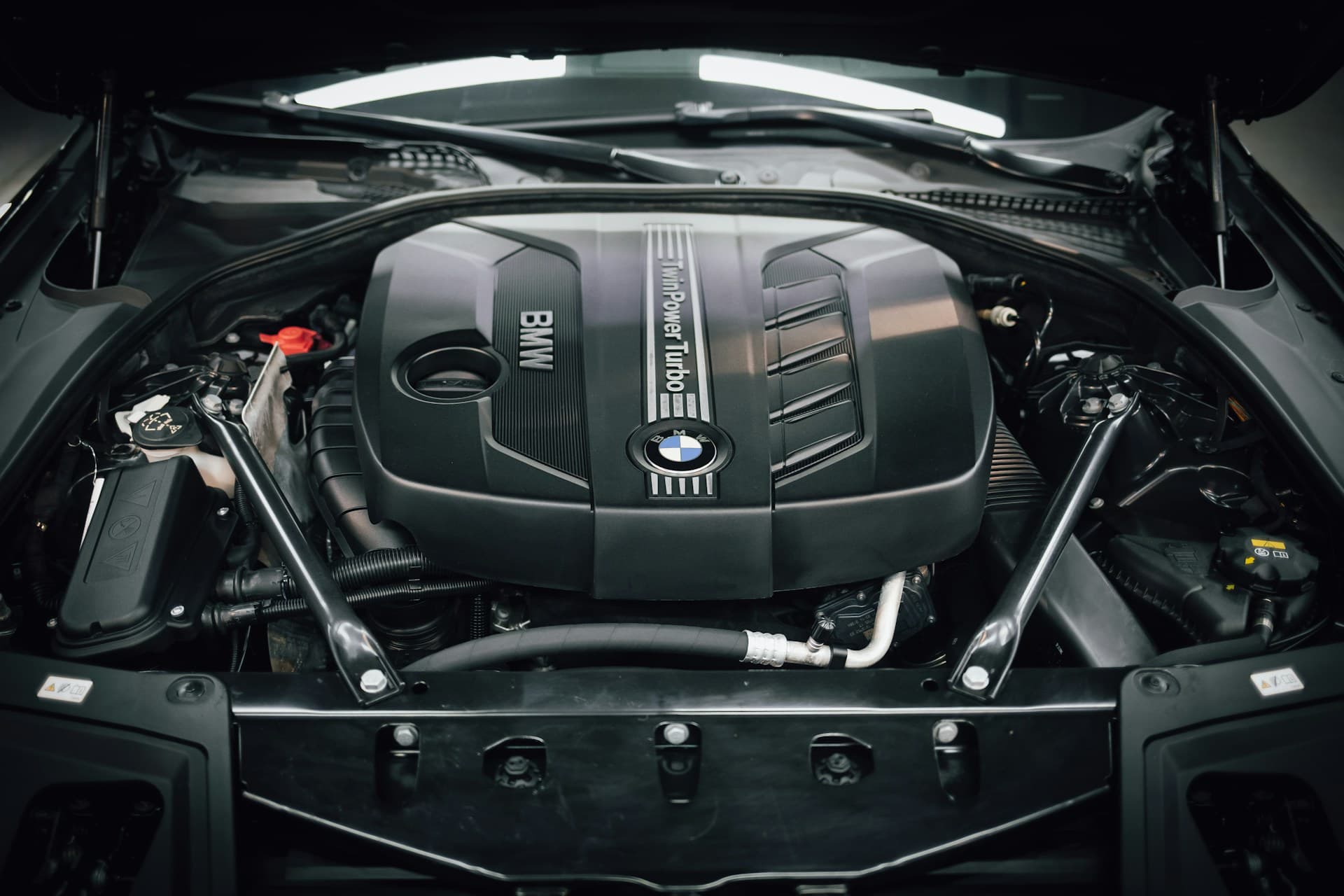
BMW, Mercedes, Audi, and VW use a lot of composite plastics in their cooling systems—expansion tanks, thermostat housings, and water-pump housings. In a mild climate those parts can last 100,000+ miles. In Miami's constant heat cycling (95°F ambient up to 220°F operating temp and back), the plastic becomes brittle and cracks as early as 60,000–80,000 miles. A slow coolant leak that goes unnoticed can lead to an overheating event that warps a cylinder head—turning a few-hundred-dollar repair into a $4,000–$8,000 one.
Humidity & Electrical Gremlins
Miami's humidity works moisture into electrical connectors, causing corrosion that triggers phantom "Check Engine" lights and intermittent faults. That same moisture saturates brake fluid faster than in dry climates, leading to a spongy pedal and internal caliper corrosion.
Heat-Stressed Batteries
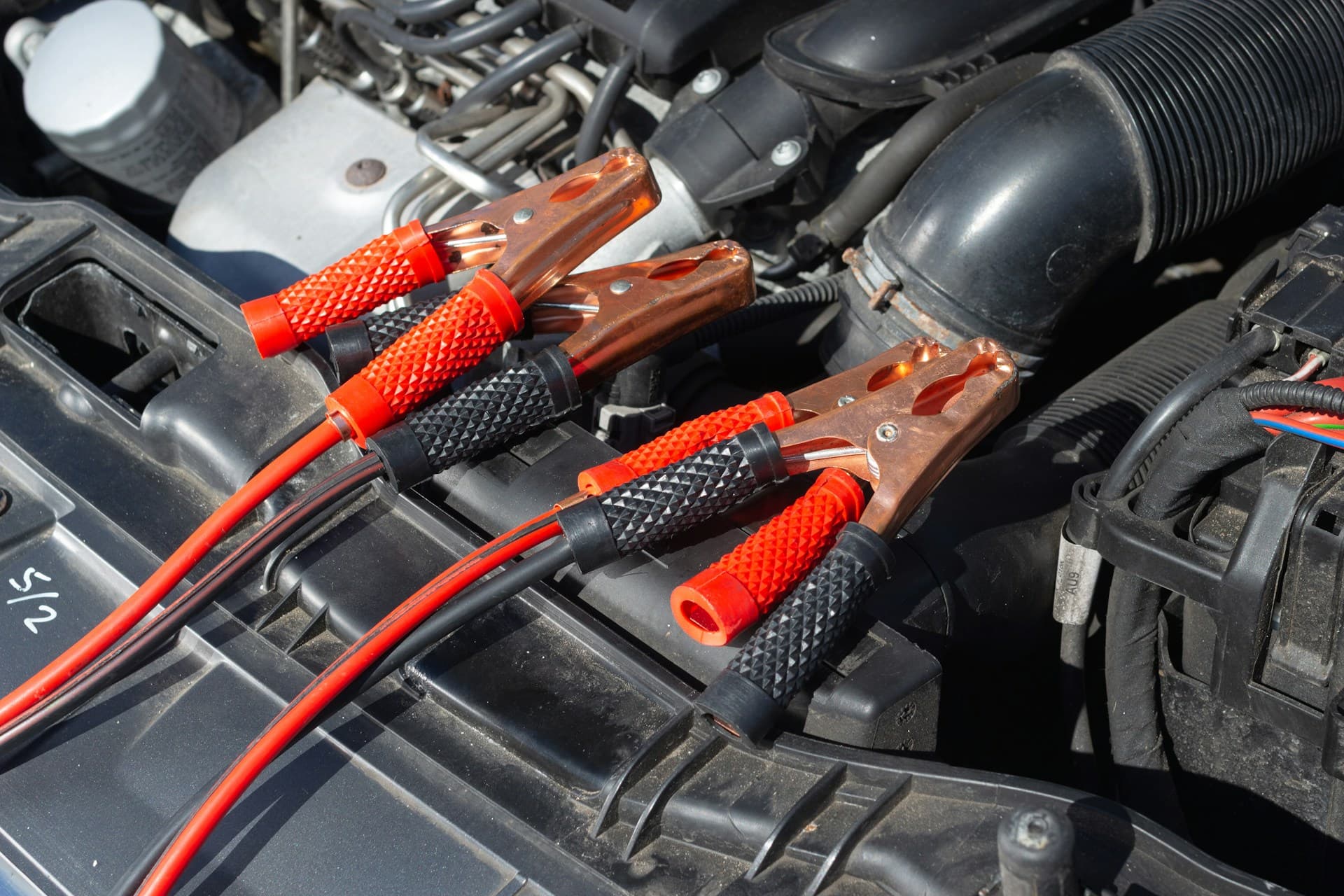
A battery that lasts 4–5 years up north often lasts only 2–3 years in Miami. Heat accelerates the internal chemistry that kills batteries—and European electrical systems are sensitive to low voltage.
The Florida-Specific Service Schedule
Factory intervals assume a moderate climate. In Miami, you're effectively in "severe service" conditions. Here's how we adjust:
| Service | Typical Factory Interval | Miami Recommendation |
|---|---|---|
| Oil change | 10,000–15,000 mi | ~7,500 mi |
| Coolant flush | 4 years | 2 years |
| Brake fluid flush | 2 years | 1 year (humidity) |
| Cabin air filter | 20,000 mi | 10,000–15,000 mi |
| Battery test | As needed | Every 6 months |
| Cooling system inspection | — | Every 30,000 mi / at 60k+ |
Warning Signs You Shouldn't Ignore
- Temperature gauge reading higher than normal—even once
- Sweet smell of coolant, or a low coolant level
- Spongy brake pedal or longer stopping distances
- Slow cranking or electrical glitches
- Any warning light—have it read with European-specific software, not a generic parts-store scanner
Why Generic Service Isn't Enough
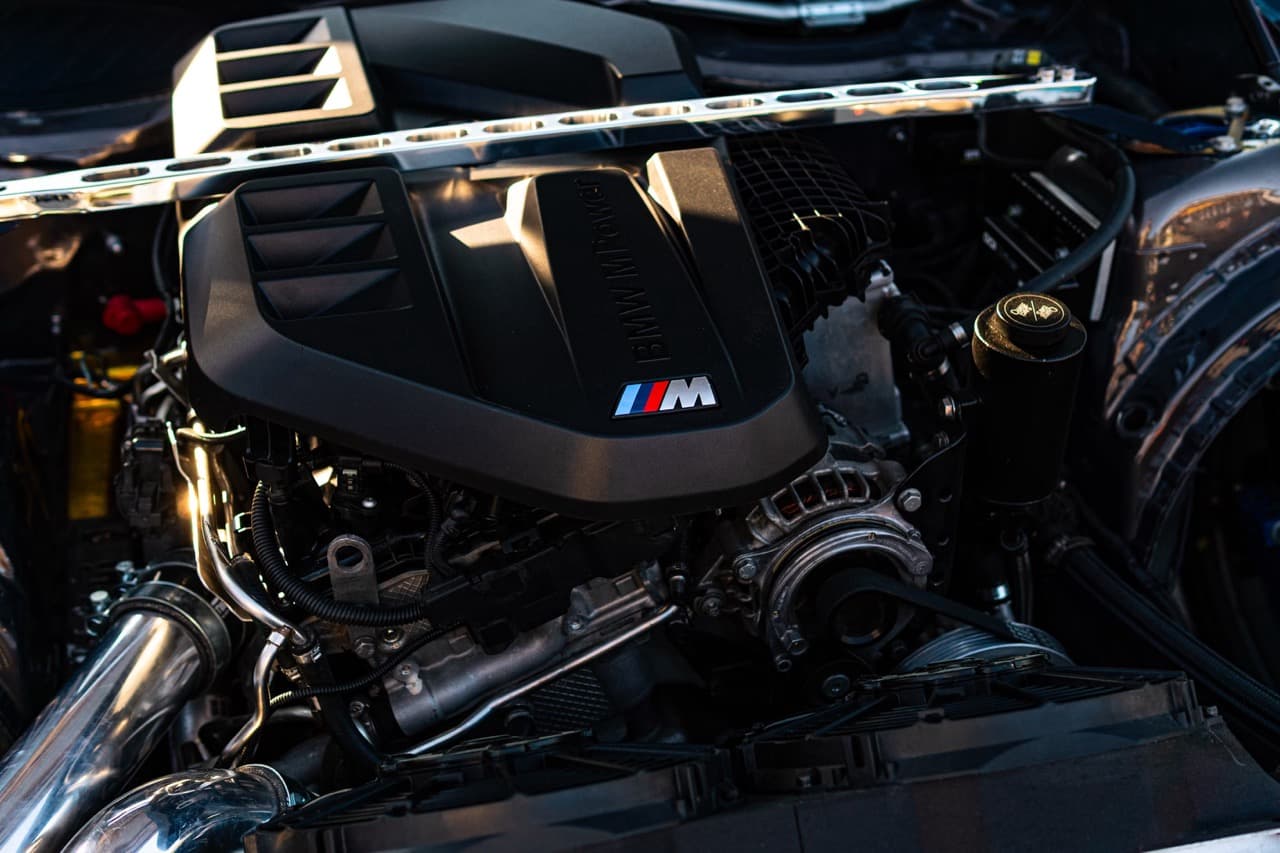
European vehicles require manufacturer-specific diagnostic software, the correct OEM-approved fluids (BMW, Mercedes, and Audi each specify different coolant formulations), and technicians who know these platforms. A universal scan tool can miss—or misread—faults that proper software catches. Using the wrong coolant or skipping the right procedure can create bigger problems than it solves.
DS Proformance European Heat-Readiness Check
- Cooling system inspection for brittle plastics and early leaks
- Coolant & brake fluid testing with OEM-approved fluids
- Battery & charging system test with professional equipment
- Full diagnostic scan using manufacturer-specific software
- A/C performance check to keep you cool through summer
Pro tip: Proactively replacing aging plastic cooling components on a vehicle over 75,000 miles is routine, affordable maintenance—far cheaper than the overheating damage it prevents.
FAQs
Do European cars handle Miami heat well? When properly maintained, their thermal management is excellent. The problems come from following the standard maintenance manual instead of a Florida-specific schedule.
How often should I really change my oil? In Miami's heat and traffic, ~7,500 miles is a safer interval than the 10,000–15,000 some manufacturers list.
Why does my Check Engine light keep coming on? Humidity-driven connector corrosion is a common Miami culprit. It needs a proper diagnostic scan with the right software to pinpoint.
For maintenance standards and technical guidance, see the Society of Automotive Engineers (SAE) and consult your vehicle's manufacturer for OEM fluid specifications and service intervals.