





Hurricane Season in Miami: Protect Your Car Before, During & After the Storm (2026)

Hurricane Season in Miami: Protect Your Car Before, During & After the Storm (2026)
Atlantic hurricane season runs June 1 through November 30. In Miami, the smart move is to have a plan for your vehicle long before a storm is on the radar. Floodwater, wind-driven debris, and falling branches damage thousands of South Florida vehicles every season—and most of that damage is preventable with a little preparation.
Before the Storm: Your Pre-Hurricane Car Checklist
- Fill up or charge up. Keep your tank at least half full (or your EV charged). Gas stations can't pump without electricity, and lines get long fast.
- Photograph your car. Take dated photos of the exterior, interior, and odometer. If you ever file a claim, "before" photos make the process far smoother.
- Park smart—not under trees. Choose a garage or covered structure on high ground. Avoid trees, power lines, and anything that can become a projectile.
- Move away from flood-prone streets. Stay clear of low-lying areas near Biscayne Bay, canals, and blocks known for sunny-day flooding.
- Check tires, wipers & battery. You want good tread for wet roads, fresh wiper blades for heavy rain, and a healthy battery so you're not stranded.
- Confirm your insurance. Only comprehensive coverage pays for flood and storm damage—liability and collision do not. Check your declarations page and note your deductible before a storm threatens.
During the Storm: Stay Off the Road
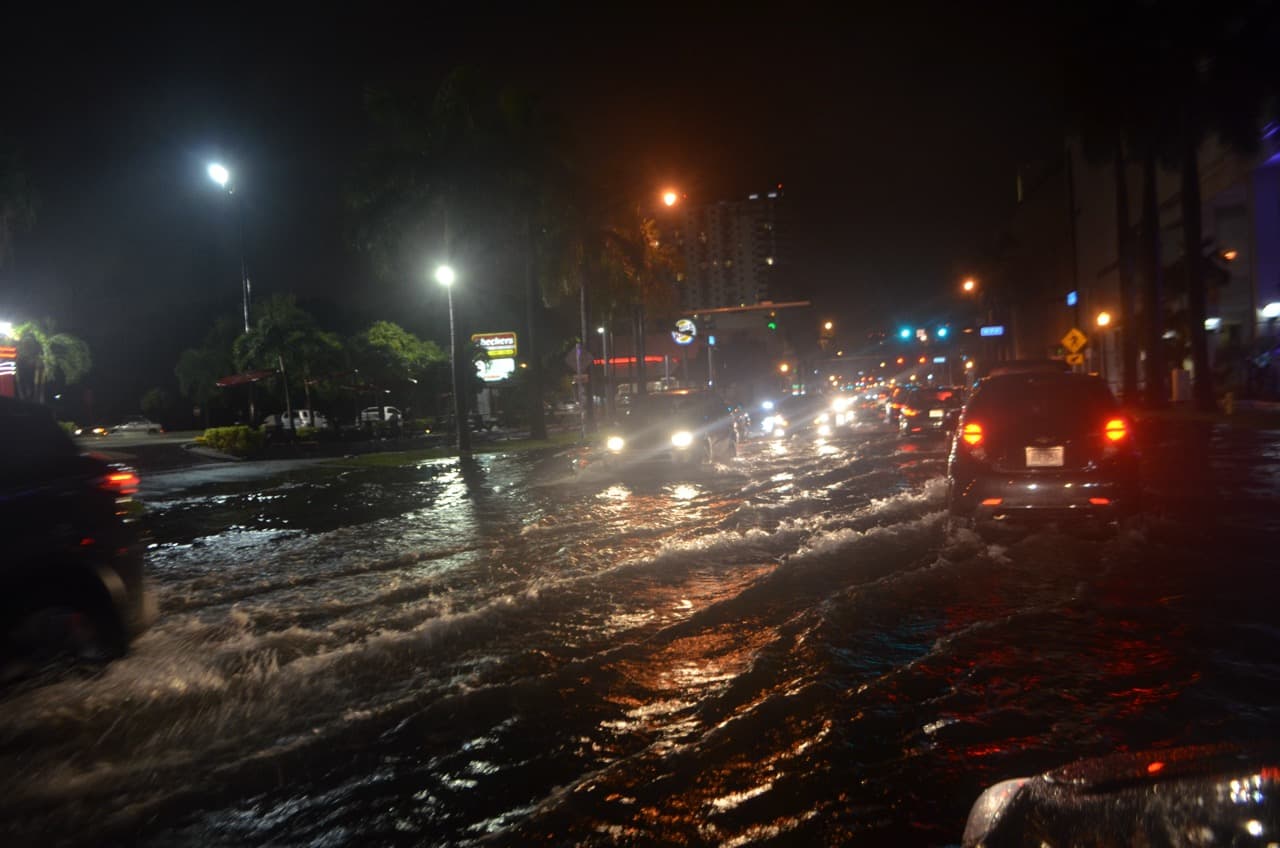
- Don't drive through floodwater—ever. Just 12 inches of moving water can float a car, and you can't see washed-out pavement or downed lines below the surface. Turn around, don't drown.
- Avoid standing water even if it looks shallow. Saltwater and brackish floodwater are especially corrosive to brakes, bearings, and electronics.
- Leave the car parked in your chosen safe spot and ride out the storm indoors.
After the Storm: The One Rule That Saves Engines
- If your car sat in floodwater, do NOT start it. Cranking a flooded engine can pull water into the cylinders and cause catastrophic, often total-loss damage. Have it towed and inspected instead.
- Look for the waterline. Mud, debris, or a dirt ring inside the cabin, on the seats, or in the engine bay tells you how deep the water reached.
- Watch for warning signs in the days after: musty smells, foggy lights, electrical gremlins, dashboard warnings, or brakes that feel different.
- Don't "drive it off." Saltwater corrosion and electrical damage often surface days or weeks later. A professional inspection now can prevent a much bigger bill.
EV & Hybrid Owners—Extra Caution
If an EV or hybrid was submerged or splashed by saltwater, treat the high-voltage battery as potentially hazardous. Move the vehicle away from structures and other cars, do not charge it, do not park it in a garage, and monitor for smoke, odor, or heat. Contact the manufacturer or a qualified shop before driving.
DS Proformance Post-Storm Inspection
If your vehicle saw high water—or you just want peace of mind—bring it in. Our inspection covers:
- Brake & wheel-end check for water intrusion and early corrosion
- Electrical & connector scan for moisture-related fault codes
- Engine, oil & fluid inspection for signs of water contamination
- Cabin & carpet check to catch trapped moisture before mold sets in
- A/C and battery test to make sure everything starts and runs clean
FAQs
Does my car insurance cover hurricane flooding? Only if you carry comprehensive coverage. Liability-only policies do not cover flood damage. Confirm your coverage and deductible before a storm threatens.
My car got splashed driving home—do I need an inspection? A quick splash is usually fine, but if you drove through standing water or it reached the floorboards, get it checked. Hidden corrosion and electrical issues can appear later.
How soon should I file a claim after flood damage? As soon as possible—most insurers want prompt reporting. After a major storm they often extend deadlines, but don't wait.
For official forecasts and storm tracking, follow the NOAA National Hurricane Center and Ready.gov hurricane guidance. For local alerts and evacuation info, check Miami-Dade Emergency Management. For coverage questions, see the Insurance Information Institute.